


Vehicle Ergonomic Assessments: What They Are and When You Need One
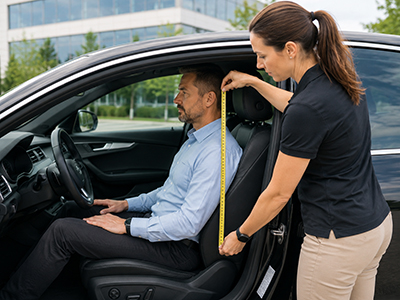
If your employees spend significant time behind the wheel, the ergonomics of their vehicle setup deserves just as much attention as their office workstation. Poor vehicle ergonomics can contribute to chronic discomfort, musculoskeletal disorders, and even long-term injury—yet it’s one of the most overlooked areas of workplace health and wellness. A vehicle ergonomic assessment addresses exactly that, helping drivers of all types optimize their seating position, mirrors, and controls for sustained comfort and safety.
Here’s what you need to know about vehicle ergonomic assessments, who benefits from them, and how E3 Consulting’s specialized services can support your team.
What Is a Vehicle Ergonomic Assessment?
A vehicle ergonomic assessment is a structured evaluation of how well a vehicle’s interior setup fits the individual driving it. Much like a workstation ergonomic evaluation addresses a desk, chair, and monitor, a vehicle assessment examines the interaction between a driver’s body and their vehicle environment—including seat positioning, steering wheel placement, mirror angles, and overall posture while driving.
The goal is to reduce physical strain and create a neutral, supported posture that minimizes injury risk during short commutes and extended hours on the road alike.
What Does an Assessment Evaluate?
A qualified ergonomic consultant will examine several key variables during a vehicle ergonomic assessment:
- Seat height, depth, and lumbar support settings
- Distance from the steering wheel and pedals
- Mirror positioning relative to the driver’s seated height and posture
- Headrest alignment for neck and cervical spine support
- Armrest and shoulder positioning to reduce upper body tension
- Body anthropometrics—including torso length, upper leg length, and lower leg length—to set neutral postures precisely
These measurements allow an ergonomic specialist to recommend adjustments specific to each individual driver, rather than applying a one-size-fits-all approach.
Who Needs a Vehicle Ergonomic Assessment?
Vehicle ergonomic assessments are valuable across a wide range of industries and roles. If any of your employees regularly drive as part of their job responsibilities, their driving setup should be evaluated with the same care as their office environment.
Field-Based and Mobile Workforces
Employees who travel between client sites, make deliveries, or operate fleet vehicles are especially susceptible to cumulative driving strain. Unlike a desk worker who can stand and stretch frequently, mobile workers may spend hours in a fixed seated position with little variation. Without proper vehicle setup, this leads to the same types of musculoskeletal disorders and repetitive stress injuries seen in office settings.
Fleet Vehicle Operators
Organizations managing company fleets—whether delivery drivers, service technicians, or corporate transportation staff—often overlook that vehicle ergonomics is a legitimate occupational health concern. A standardized fleet doesn’t guarantee a comfortable or safe fit for every driver, particularly when employees vary significantly in height, limb length, or physical condition.
Employees Returning from Injury
For employees recovering from musculoskeletal injuries, an improperly configured vehicle can delay recovery or aggravate existing conditions. A vehicle ergonomic assessment conducted alongside a broader ergonomic program ensures that every aspect of the work environment—including time spent in a vehicle—supports the employee’s safe return to full productivity.
New Hires with Driving Responsibilities
Onboarding employees into driving roles without addressing vehicle ergonomics is a missed opportunity. Establishing proper habits from the start is far more effective than correcting entrenched patterns later. This is why ergonomic training for new employees should include vehicle setup guidance whenever driving is part of the role.
The Health Risks of Poor Vehicle Ergonomics
Spending long hours in a poorly configured vehicle seat places consistent stress on the spine, hips, shoulders, and neck. Over time, this contributes to a range of conditions that affect employee health, comfort, and on-the-job performance:
- Lower back pain from inadequate lumbar support or incorrect seat depth
- Neck and shoulder strain from awkward mirror positioning or steering wheel placement
- Hip flexor tightness and sciatica symptoms from sustained, unsupported seated positions
- Upper extremity discomfort, including wrist and forearm strain from improper wheel grip positioning
- Fatigue and reduced concentration, which can have direct safety implications
Many of these conditions develop gradually, making them easy to dismiss early on. But left unaddressed, they can escalate into chronic issues that affect employee performance and organizational productivity.
E3 Consulting’s Vehicle Ergonomic Assessment Services
E3 Consulting offers comprehensive vehicle ergonomic assessment services designed to meet the needs of diverse workforces and organizations. Our assessments are available in multiple formats to accommodate different logistical requirements.
Virtual Vehicle Ergonomic Evaluations (30 Minutes)
For organizations managing geographically distributed teams, our virtual assessment option delivers professional ergonomic guidance without requiring an onsite visit. Conducted via Zoom, Microsoft Teams, or Google Meet, the virtual evaluation includes:
- A review of photos provided by the employee showing their current vehicle seat setup
- Guided self-measurement of key body dimensions—torso length, upper leg length, and lower leg length—to calibrate posture recommendations
- Real-time coaching on seat, mirror, and steering wheel adjustments
- A custom written report with immediate action items and long-term recommendations
- Complimentary Vehicle Ergo Tip Cards with a QR code for setup reminders and in-vehicle stretches
Onsite Vehicle Ergonomic Evaluations (30–45 Minutes)
When a hands-on approach is preferred or required, our certified consultants conduct onsite assessments at your facility, employee parking areas, or even at a dealership before a vehicle purchase is finalized. The onsite evaluation includes:
- Physical measurements of the driver in their seated vehicle position
- Hands-on adjustment of seat, mirrors, and steering wheel for optimal fit
- A custom report documenting findings and recommendations
- Complimentary Vehicle Ergo Tip Cards with reminders and pre-drive stretch routines
Vehicle Ergonomic Webinars
For teams where individual assessments aren’t immediately feasible, our customized webinar sessions provide foundational vehicle ergonomics education at scale. Available in 15-, 20-, or 30-minute formats—live or pre-recorded—our webinars cover:
- How to properly adjust your vehicle seat, mirrors, and steering wheel
- Stretches and exercises to incorporate before driving or during breaks
- How to choose the right vehicle based on your body dimensions and daily driving demands
Webinar recordings can be made available as on-demand links, giving employees flexibility to access training on their own schedule.
ErgoTrac Pro Software for Ongoing Program Management
For organizations looking to track vehicle ergonomics at scale, E3’s ErgoTrac Pro software platform provides real-time data and program oversight capabilities:
- An admin dashboard tracking vehicle ergonomic consultations requested, scheduled, and completed
- Trend analysis on vehicle types and ergonomic features recommended by employee anthropometrics
- Insights into AI-driven training videos most frequently accessed by your workforce
- Individual and organizational-level tracking of ergonomic program activity
What to Expect: The Assessment Process
Whether your team uses virtual or onsite evaluations, the E3 vehicle ergonomic assessment process follows a consistent, evidence-based structure.
Before the Assessment
Virtual participants will be guided to capture three photos of their current vehicle seating position and take key body measurements before the call. This preparation allows the E3 consultant to arrive at the session with context and focus the time on actionable adjustments.
During the Assessment
The E3 consultant walks the driver through each area of adjustment systematically—seat height and recline, lumbar support, steering wheel tilt and reach, and mirror angles—explaining the rationale behind each recommendation so drivers understand why the changes matter and can maintain them independently.
After the Assessment
Every participant receives a custom report documenting their current setup, the adjustments made, and additional recommendations. This documentation supports accountability and serves as a reference point for future ergonomic program reviews.
Supporting Your Mobile Workforce with E3 Consulting
Workplace ergonomics doesn’t end at the office door. For employees who drive as part of their job, the vehicle is a workstation—one that deserves the same professional attention as a desk setup or industrial work environment. A vehicle ergonomic assessment is a straightforward, high-impact intervention that reduces injury risk, improves driver comfort, and demonstrates a genuine organizational commitment to employee well-being.
Ready to support your team behind the wheel? Contact E3 Consulting today to schedule virtual or onsite vehicle ergonomic assessments and build a healthier driving experience for your entire workforce.


